[MUSIC]
Brian Lehrer: --on WNYC. To end the show every day during this membership drive, we're talking about all the animals New Yorkers love and care for in their homes, the pets. We've talked about dogs, then reptiles, and on Friday, cats. Now we turn to some pets that the city spends a lot of money and energy trying to eradicate. I mean, rats, who, along with hamsters, gerbils, mice and guinea pigs, are beloved pets to many. We're joined for this by Anne Levin, executive director of the Brooklyn Bridge Animal Welfare Coalition and co-founder of, and some of you may know this place, its Brooklyn Cat Cafe. Anne, welcome to WNYC.
Anne Levin: Thank you so much for having me.
Brian Lehrer: It might sound odd for the folks behind the Cat Cafe, where you can play with and hopefully adopt a cat or two, to also find homes for rats and other small mammals, but I know you have a very sweet story about how rats and kittens can coexist harmoniously. You want to tell it?
Anne Levin: Yes. Our first rat experience was with a small feline leukemia kitten who is desperate for companionship. We were not able to match her with another cat because of her medical condition. We found a rat that needed rescuing, and they made great friends, they had a great friendship, and had a lot of fun playing and interacting with each other. It was a really lovely story. That rat just made the few months that the kitten lived incredibly happy and then went on to play and interact with a lot of other kittens and had a great time.
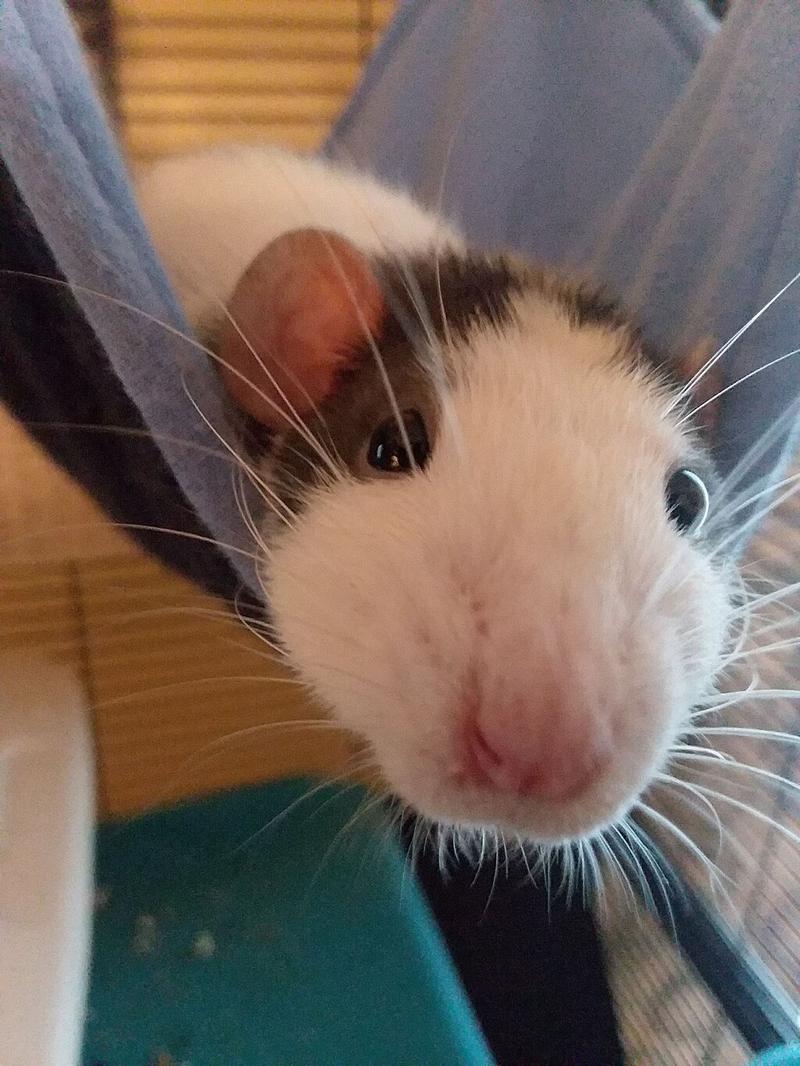
We've had other rats that have been super maternal or paternal, depending on the sex, caring for little kittens, caring for other animals, and just being super sweet. I realize most New Yorkers don't enjoy most of the rats that they see, but rats are so intelligent, and they're affectionate. They're really friendly, and they have a very bad reputation. We enjoy offering them for having them here.
Brian Lehrer: Let me ask you to go further on that because that's what a lot of listeners are probably thinking right now. "Wait, rats as pets, really?"
Anne Levin: They make wonderful pets. They're incredibly intelligent, often smarter than some of the dogs and cats that we've had up for adoption. They're affectionate, they're friendly, they have a smaller footprint. If you maybe have a smaller apartment or have restrictions on pets, they can be much more, maybe better for a New York apartment. They, unfortunately, live only two to three years. If you can't maybe make a 20-year commitment to a dog or cat, 2 to 3-year commitment, you can have a wonderful companion.
Most rats that people adopt are fancy rats. They're not related directly to the street rats, but we have actually had few street rats that have come in as tiny babies before we realized how old they were. They were just kind of pinkies when we got them and, again, made amazing companions.
Brian Lehrer: Now, your website does say, "While small and often easier to fit in an apartment or lifestyle than a larger animal, these intrepid companions do have very specific care needs." I think that's not just rats, but others in that category, right? What kinds of specific care needs, what species are we talking about?
Anne Levin: I think that the perception is often that they're pocket pets, which maybe seems a little bit more disposable, that you don't need to spend time and money and energy and attention on them. All animals need enrichment. They need appropriate care and shelter and food. Once you take on an animal, you have a responsibility to that for their life, so you should not get bored and leave them alone or dispose of them.
Brian Lehrer: This is not about just rats, but others in the category that we're talking about, like mice, gerbils, hamsters, guinea pigs?
Anne Levin: Yes. All of them have different kind of lifespans, from shorter, one to two years on mice, and maybe rats to guinea pigs can be five to seven years, but they all really need attention. They need appropriate habitat. They need appropriate food. Occasionally, they're going to need vet care. Generally, you need to go to an exotics vet, and that can sometimes be a little harder to find. I feel like the image in everyone's mind is that these are cheaper and less responsibility than a dog or cat, but they're not any less responsibility. Maybe you don't have to take them out for a walk or do that, but they need just as much care and attention.
Brian Lehrer: In fact, if you let them out at all, given that we know rats and mice can fit through tiny spaces, you might lose them, right?
Anne Levin: Definitely, yes. You definitely have to be careful. Especially rats that are domesticated and familiar with people, they can crawl on you, they can crawl in a bed, they can crawl in a contained area or a small pen, or guinea pigs. Mice can be a little harder, hamsters, because they can just find the smallest little hole and disappear in your walls, and that is not good news.
Brian Lehrer: Last question. 20 seconds. Are these kind of animals nocturnal, meaning they might be most active while you're sleeping, which people wouldn't want?
Anne Levin: Yes. They're often most active, not during the day when you would expect them or maybe want them to be if they're living in your bedroom. You do have to be aware that their main activity may be at night when you're trying to sleep.
Brian Lehrer: All right. There we leave it with Anne Levin, executive director of the Brooklyn Bridge Animal Welfare Coalition and co-founder of its Brooklyn Cat Cafe. Thank you so much.
Anne Levin: Thank you.
Copyright © 2025 New York Public Radio. All rights reserved. Visit our website terms of use at www.wnyc.org for further information.
New York Public Radio transcripts are created on a rush deadline, often by contractors. This text may not be in its final form and may be updated or revised in the future. Accuracy and availability may vary. The authoritative record of New York Public Radio’s programming is the audio record.