
A Mother's Fight Against NYC's Emergency Child Removal System
[music]
Janae Pierre: From wnyc, this is NYC NOW. I'm Janae Pierre. For those of you who are parents, could you imagine your baby being taken away from you without knowing where they're going? Well, that's exactly what happened to a woman in Queens some years ago. On today's episode, we look into a lawsuit between New York City's Administration for Children's Services and a mother who argues that the agency took her daughter without a court order. Before we get into that, though, here's what's happening in our region. When it comes to filling New York City's budget gap, Governor Kathy Hochul has some advice for city leaders.
Governor Kathy Hochul: We've encouraged the speaker and the mayor to do what every other city has to do is look at your expenses.
Janae Pierre: The message comes after the governor shot down Mayor Zohran Mamdani's latest push to tax the rich. Mamdani and Council Speaker Julie Menin are urging Albany lawmakers to reduce a lucrative tax credit for wealthy business owners. They say reform of the credit could help address the city's budget gap by generating almost $1 billion in revenue. The Pass-Through Entity Tax, also known as PTET, allows business owners and partners to fully deduct state and local tax payments on their federal tax returns, bypassing the usual limit.
Mayor Zohran Mamdani: The PTET is essentially a loophole that allows high income earners to reduce their federal tax burden. Who benefits? Millionaires and multimillionaires.
Janae Pierre: Governor Hochul says she's unwilling to change the tax credit. Hochul recently proposed a PA to tear tax that would affect people with second homes in New York City worth over $5 million.
One of New York's largest health systems was among those in the spotlight this week as members of Congress grilled hospital executives during a hearing on rising healthcare costs. Dr. Brian Donley is the CEO of New York Presbyterian. He says there are multiple factors driving up hospital prices.
Dr. Brian Donley: We are facing substantial cost pressures such as labor, supplies, and pharmaceuticals.
Janae Pierre: Some lawmakers pointed to hospital consolidation as the primary factor driving up healthcare costs. New York Presbyterian was sued by the Justice Department last month for allegedly stifling competition to keep its prices high. A spokesperson for New York Presbyterians says the case is without merit.
The lineup for this season's SummerStage Festival is out. The annual outdoor performance series will bring over 60 concerts to 13 parks across the city. The events span all five boroughs and go from May to October. Highlights include free shows by Laurie Anderson, Spoon, Mavis Staples, Doug E. Fresh, and so many others. SummerStage also celebrates 40 years this summer. Its first show was a Sun Ra Arkestra concert at the Central Park Bandshell back in June 1986.
New York City's Administration for Children's Services is supposed to protect children from harmful environments, but according to one mom, they don't always get it right. More on that after a quick break.
[pause 00:03:22]
[music]
Janae Pierre: Welcome back.
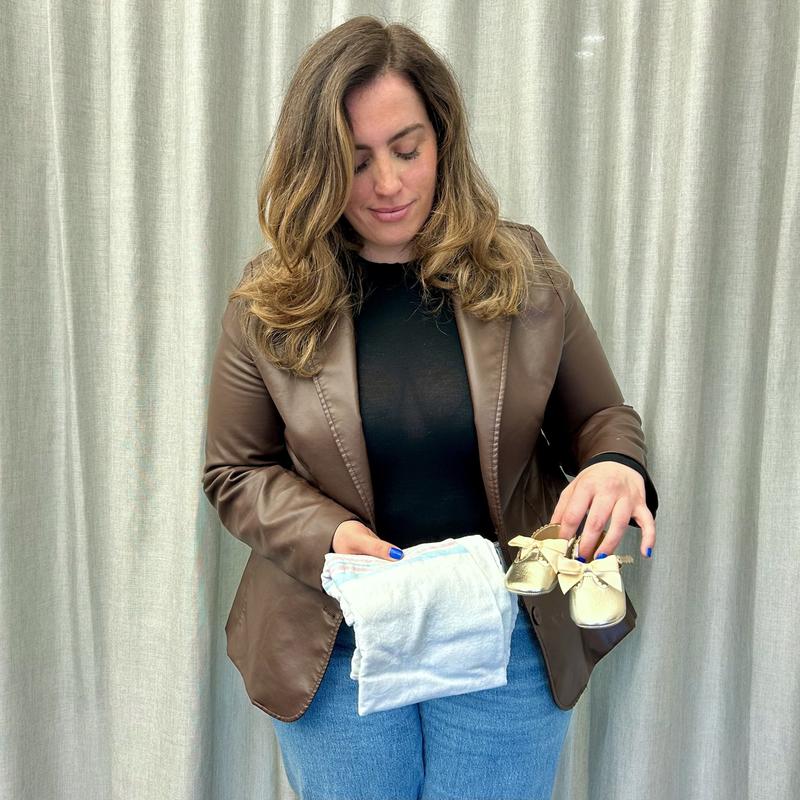
Meredith Trainor: I have one daughter. She recently turned three this past January. Right now, her main interest is baby dolls. Anytime we leave the house, there's at least one baby doll coming with her.
Janae Pierre: Meredith Trainor's daughter was 11 months old when caseworkers from New York City's Administration for Children's Services took her out of her mother's arms.
Meredith Trainor: I kept asking, why? I kept getting more anxious, and I kept asking why.
Janae Pierre: The caseworkers did this without a court order. That's allowed in situations called emergency removals, which are meant to be a last resort when the city feels that children are in imminent danger, but city data shows that these types of removals occur on a regular basis and make up about half of abuse and neglect removals every year.
Trainor is suing the city, arguing that her daughter's removal was unlawful. Her lawsuit claims that city social workers often rush to remove kids from their parents when it's not a real emergency and that those separations violate the rights of parents and kids. WNYC reporter Samantha Max covered Traynor's case, and she's here with me to walk us through it. Hey, Sam.
Samantha Max: Hey.
Janae Pierre: All right, Sam. How did all of this start?
Samantha Max: It started a few years ago on New Year's Eve when Meredith was at work.
Merredith Trainor: I remember being really-- maybe it sounds silly. I didn't want to work on New Year's Eve because I wanted to spend it with my daughter. I was going to set up balloons and do this whole photo shoot. I was already not super happy to go into work that day.
Janae Pierre: I mean, who wants to work on New Year's Eve?
Samantha Max: Exactly. Meredith is a social worker, and basically, she has to work some weekends. She says her baby's father, who was her fiancé at the time, was taking care of their daughter. Meredith says that while she was at work, the baby's father called and told her that their daughter was rubbing her eyes a lot. Her face looked a little red. She starts asking questions like, "Has the baby taken a nap?"
Merredith Trainor: Maybe she's tired. It's middle of the day. This is typically the time she would need a nap. Then he called back again, and he said, "No, she's really sluggish. She's really rubbing her eyes. We're at the park. I think she picked something up."
Samantha Max: Grab something, put it in her mouth.
Meredith Trainor: My first thought was, maybe she's having some sort of allergic reaction to something.
Samantha Max: Meredith says the father sounded nervous, which that was making her nervous, so to be careful. She says that she told the father, "Just take the baby to the hospital."
Meredith Trainor: Then from there, I left work immediately and drove up to Queens to the emergency room.
Samantha Max: While Meredith is on her way there, she says the father calls and puts her on the phone with someone who works at the hospital, and she finds out that her baby has been given Narcan.
Janae Pierre: Wait, Narcan?
Meredith Trainor: Then my heart stopped, because I've heard of Narcan, especially working in a hospital.
Janae Pierre: The drug Narcan that's used to reverse opioid overdoses?
Samantha Max: Yes, that Narcan, which Meredith says she was familiar with, but she says she was just really confused and shocked by all of this. She's trying to understand why her daughter would need Narcan. According to her lawsuit that she filed, hospital staff thought that maybe she had ingested opiates, the baby. Ultimately, a drug test found that she had tested positive for cocaine.
Meredith Trainor: It definitely was a blur because I was so blindsided, and I was very confused.
Samantha Max: A lot of the details of exactly what happened are still a little unclear.
Meredith Trainor: We got home that evening. I mean, I obviously had a lot of questions for my ex.
Samantha Max: That evening, Meredith is having all these questions, trying to make sense of exactly, how did cocaine get into her baby's system? She was with this person who was her fiancé. They were engaged. They'd been together for several years.
Janae Pierre: Did he have a past of drug use?
Samantha Max: She knew that he had a history of drug use, but she thought he had never used drugs while they were together. She has all these questions for him and just trying to figure out what happened. Then she's also thinking about this social worker at the hospital who told her that ACS would probably be coming to see her.
Janae Pierre: ACS, that's the Administration for Children's Services.
Samantha Max: Yes, that's the agency that investigates allegations of abuse and neglect on the part of parents. Meredith says that while she and her then fiancé were at the hospital, a social worker had come by and told them that she was going to have to call the Administration for Children's Services.
Meredith Trainor: She said, "Don't worry, they're going to visit you sometime the next couple days. It's not a big deal. We just have to do this."
Samantha Max: According to the lawsuit, caseworkers and police officers later that night came to her Astoria apartment. The baby's father was arrested, and caseworkers ordered that he stay away from their daughter. Meredith says that she completely understood why her fiancé at the time needed to be removed while the caseworkers got more information, but she was not thinking that anything would affect her personally being able to be with her daughter and have custody of her.
Janae Pierre: Right. After all, she wasn't even with her kid. She was at work when all of this happened.
Samantha Max: Right. Meredith says that she and her daughter went to stay with her mom. Meredith was actually pregnant at the time, so she wanted to be with her mom to have a little extra help and be closer to the hospital where she worked.
Meredith Trainor: I was about to give my daughter a bath, so it would have been 7:30-ish in the evening, and I got a call from the caseworker.
Samantha Max: This caseworker says, "We're at the apartment. Where are you?"
Meredith Trainor: I said, "Oh, I told you, sometimes I stay with my mom." She said, "No, you need to come home. We're doing an unplanned visit," is what I think she phrased it as.
Samantha Max: She comes back to the apartment, and she says two ACS employees are already in the lobby.
Meredith Trainor: I don't know how they got themselves in, but they were inside the lobby area.
Samantha Max: They all go up to Meredith's apartment, and she says police also showed up. Then from there, she says, things start moving quickly. Basically, she remembers holding her daughter. She wanted to breastfeed her, and the ACS workers are just trying to take her daughter. They won't tell her where they're going. They just said the Bronx. They wouldn't let her nurse, which her daughter had only been nursing at that point.
She kept asking, "What are you going to feed her?" They didn't know her bedtime routine. They didn't know all these different things about how she would fall asleep at night. She says she was just begging them to allow her to nurse her daughter, but she says it seems like they kind of just wanted to move things along. While she was holding her baby, she says the ACS workers took her daughter, who just was screaming.
Janae Pierre: Man, this is all so traumatic.
Samantha Max: Yes, I mean, one of the moments that really stuck out to me as I was first reading her lawsuit was that as the officers and social workers were leaving, that Meredith could still hear her daughter crying. She says she collapsed, and a neighbor came and held her, and she was just thinking to herself, "Who am I supposed to call? I don't know where my daughter is." She just says that she felt totally helpless and wondering how she would get her daughter back and make sure she was safe.
Janae Pierre: At this point, the baby's father had been arrested, and ACS workers had already been to Meredith's apartment. They checked it out, and I guess they didn't document any safety concerns. Why was Meredith's daughter taken in the first place?
Samantha Max: Meredith's daughter was taken under this process called an emergency removal. New York law allows ACS to take children without first getting permission from a judge if they believe that that child may face an imminent danger and there isn't enough time to apply for an order. This is something called an emergency removal. ACS data shows the agency has taken kids without first getting approval from a judge in about half of its abuse and neglect removals over the last several years. Trainor and her daughter were apart for five days before they went before a family court judge.
Janae Pierre: Wow, that seems like a lifetime for a mom, I'm sure.
Samantha Max: Yes. The family court judge did order that ACS return the baby to her mother, according to court records. That's why Meredith is suing, because she feels like this was a wrongful removal, that it was not rooted in the law. Meredith says she understands why the father needed to be separated from the child while officials gathered information, but she doesn't understand why she was kept away from her daughter.
Janae Pierre: Sam, I don't know, maybe it's just me, but this all seems so very sloppy, this process. Is this common?
Samantha Max: Well, Meredith's attorneys have noted that this is at least the eighth lawsuit that has been filed in recent years alleging an illegal emergency removal. Every year, more than 1,300 children are separated without a court order. Some of those kids will end up continuing to be separated from their parents because a judge feels like it's the safest thing to do while a case is pending. In a lot of those cases, I think it was about a quarter, the child is given back within an initial hearing, like what happened with Meredith's case. I talked to David Shalleck-Klein from the Family Justice Law Center.
David Shalleck-Klein: Courts are pronouncing ACS policies illegal, and as a matter of public policy, they are determining ACS's actions are harmful to and traumatic for families.
Samantha Max: He says these types of family separations are traumatic and scary. They lead to these unpredictable situations where kids are terrified. I mean, parents feel like their kids are being kidnapped. The Family Justice Law Center frames Meredith's case as a broader systemic pattern.
The other thing I should note is Meredith is actually an outlier in a case like this. She is a white woman. These family separations, a lot of data has found that they disproportionately affect people of color. Then, of course, this is a case that we're hearing about because a lawsuit has been filed, but not every family who goes through this is going to have the resources to file a lawsuit and try to get some sort of accountability for what they feel like was an illegal removal.
Janae Pierre: Yes, you're absolutely right. I'm wondering, Sam, has ACS responded to this?
Samantha Max: Yes. I was in touch with ACS spokesperson Marisa Kaufman, who told me that the agency is committed to keeping families together when possible. She says emergency removals are only considered when all other options are ruled out, and that they have these teams of trained child protective staff to try to assess whether a child really is in imminent danger.
The other thing I should note is this also, to an extent, comes down to scheduling, because you can only get a court order if you can go to court. Family court is not open late at night, and it's not open on the weekends. There is also a chance that sometimes they're just not able to go before a judge. Instead, they feel like they have to use an emergency removal while they wait for court to be open.
Janae Pierre: I guess, I'm wondering if there's a sense of immediacy depending on the child. Meredith's kid, when this happened, was 11 months old. Meredith was still breastfeeding at the time. When we talk about factors that need to go into account, is that something that's brought up?
Samantha Max: I mean, ACS is arguing that they are taking those things into account, that they are thinking about the potential emotional effect. Obviously, this is going to be a case by case basis where you have individuals who are making these decisions.
One of the things that an attorney told me that was helpful for me to kind of think about is when you go before a judge and you ask for a child to be removed, not only do you have to make a legal argument, but a judge can also put certain parameters in place to have oversight over the process and sometimes would even help the caseworkers to think through, "Okay, how can we do this removal in a way that's going to be the least traumatic way possible for the child? How can we make sure that these different protections are in place so that people's rights aren't being violated while doing what's needed to protect a child?"
At the end of the day, when you have an emergency removal, that is kind of the oversight that's not there because it's just these people who presumably are making decisions based off of the information that they have and whatever directives they may be getting, but they don't have that oversight of a judge who can kind of take a bigger look.
Janae Pierre: How are they doing now? How's Meredith and her kid and her now new kid?
Samantha Max: Now she has another kid. I mean, one of the things that really stuck out with me in my conversation with Meredith was that her family court case was still pending when she was in labor. She told me that she felt safest when her child was inside of her because she was afraid that once the child was born that it could be taken away from her. She said that this experience has really just stuck with her and colored her experience of being a parent.
We were flipping through photos of her kids, and she was telling me about how they love going to the playground and eating mac and cheese and all these different things. This is still an anxiety that kind of gets in the way sometimes of her feeling like she can be just the happy parent that she wants to be. Kids, you never know what they're going to remember when they're so little. I think she's filing this lawsuit because, from the outside, five days might not seem like a lot of time, but when it's five days away from your baby while you're pregnant, several years later, it still really stuck with her.
Janae Pierre: Yes, for sure. I can only imagine. That's WNYC's Samantha Max. Thanks a lot, Sam.
Samantha Max: Thanks, Janae.
Janae Pierre: Thank you for listening to NYC NOW. I'm Janae Pierre. See you next time.
[music]
Copyright © 2026 New York Public Radio. All rights reserved. Visit our website terms of use at www.wnyc.org for further information.
New York Public Radio transcripts are created on a rush deadline, often by contractors. This text may not be in its final form and may be updated or revised in the future. Accuracy and availability may vary. The authoritative record of New York Public Radio’s programming is the audio record.